How Snus and Pouches Are Changing Nicotine Use in the UK
For years, the only way to get nicotine without a cigarette was gum, patches, or a vape. But a quieter shift has been happening. More people are turning to tobacco-free nicotine pouches, and the products sold under Snus and Pouches snusandpouches are part of that change. These small white pouches sit under the lip and release nicotine slowly, with no smoke, no vapour, and no tobacco leaf. It sounds simple, but the reality is that the category has grown fast, and many users are still figuring out what works for them.
I first tried a nicotine pouch a couple of years ago, after a friend handed me one on a train journey. I was sceptical. The idea of something sitting in my mouth for thirty minutes felt odd. But after ten minutes I understood the appeal. The hit was clean, there was no smell, and I did not have to step outside. That experience is common now. The range available through Snus and Pouches snusandpouches shows just how far the market has come since those early trial days.
What Makes Tobacco-Free Pouches Different
The biggest difference from traditional snus is the absence of tobacco. Classic Swedish snus contains ground tobacco, which means it still carries the same cancer-causing nitrosamines that come from cured leaf. Tobacco-free pouches use plant fibre or cellulose as a carrier, then add nicotine, water, flavourings, and pH adjusters. The result is a product that delivers nicotine without the tar, ash, or combustion that smoking requires.
For someone trying to quit cigarettes, this matters. You get the nicotine your brain craves, but you skip the thousands of chemicals produced when tobacco burns. That is not to say pouches are risk-free. Nicotine itself is addictive and raises heart rate and blood pressure. But the harm profile is dramatically lower than smoking. Public Health England has acknowledged this for vaping, and the same logic applies to nicotine pouches. The problem is that regulation has not caught up with the products.
Strength Guidance Matters
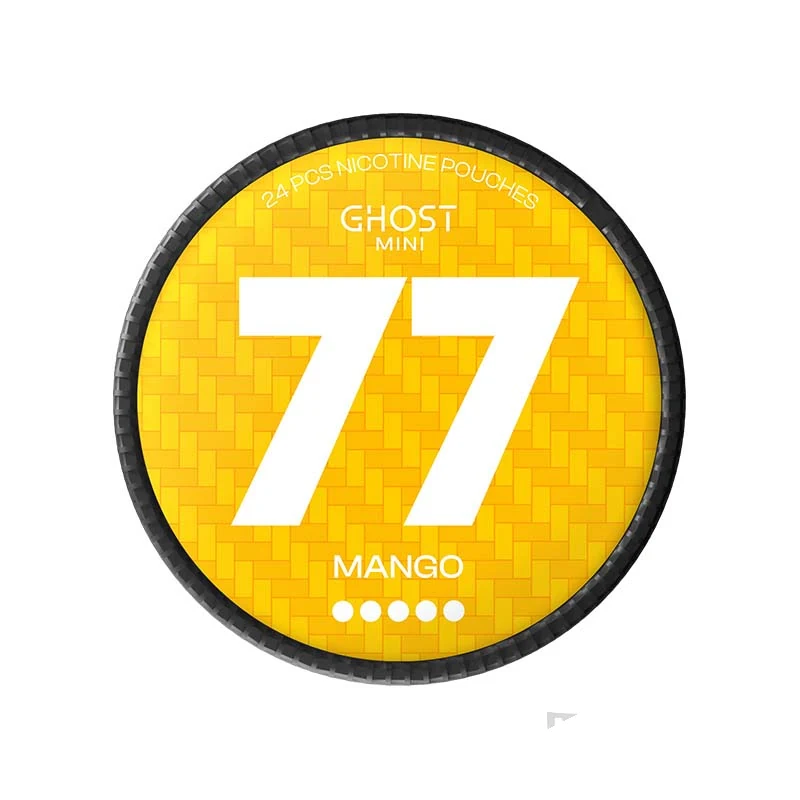
One of the biggest mistakes new users make is picking a pouch that is too strong. I have seen friends turn grey after popping in a 50 mg pouch when they usually smoke light cigarettes. The market now carries everything from 4 mg per pouch up to super-strong 50 mg portions. A shop that offers strength guidance, like the one behind Snus and Pouches snusandpouches, helps people avoid that kind of rough introduction.
Here is a quick breakdown of typical strength levels and who they suit:
- 4-8 mg: Light smokers or people who use nicotine occasionally. Good for social situations or when you want a mild buzz without overdoing it.
- 8-16 mg: Regular smokers who go through half a pack to a pack a day. This range covers most standard cigarette cravings.
- 16-30 mg: Heavy smokers or people switching from strong snus. These deliver a solid hit and keep cravings away for longer.
- 30+ mg: Only for experienced users with a high tolerance. Not recommended for new starters.
Starting lower and moving up is always smarter than starting high and feeling sick. The same principle applies to nicotine replacement generally: match your intake to your habit, not your curiosity.
Flavour Options Have Come a Long Way
Early pouches tasted like mint, mint, and more mint. The range now includes everything from citrus and berry to coffee, cola, and even whiskey flavours. That variety makes the switch easier for people who associate tobacco with a specific taste. I know a vaper who could not stand mint pouches but found a tropical fruit version that let her cut her nicotine intake in half over three months.
The flavour does affect how long you keep the pouch in. Stronger mint pouches tend to drip more and can irritate the gum if left too long. Milder fruit flavours often last longer because the saliva flow is gentler. It is worth trying a few different profiles before settling on a daily driver. Most online shops now sell sample bundles, which is a sensible way to test without committing to a whole can.
Practical Considerations for Daily Use
Nicotine pouches are discreet. You can use them in an office, on a plane, or at a dinner table without anyone noticing, as long as you are not smacking your lip. The pouches do not produce vapour, so there is no cloud to explain away. That convenience is a big reason why the category has grown among professionals and people who work in smoke-free environments.
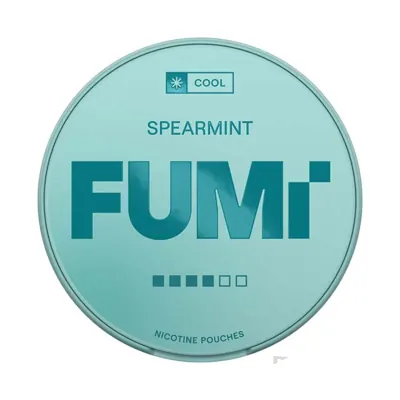
Disposal is another factor. Used pouches should go in a bin, not down a toilet or onto the street. They contain nicotine residues that are toxic to aquatic life. Some brands now sell biodegradable pouches, but most still use a synthetic fibre that takes years to break down. If you care about waste, look for brands that explicitly state their pouch material and disposal guidance.
Storage matters too. Pouches stay fresh in a cool, dry place. Heat makes the nicotine degrade and the flavour fade. A sealed can lasts months, but once opened, you should use it within a few weeks. Some users keep their opened cans in the fridge, though that can cause condensation if you take them out frequently.
Cost Comparison with Smoking
Nicotine pouches are not cheap, but they are usually cheaper than smoking. A can of 20 pouches costs roughly the same as a pack of cigarettes in the UK, but lasts one to three days depending on how many you use. A person who smokes ten cigarettes a day might spend around £10-15 a week on pouches, compared to £50-70 on cigarettes. Over a year, that difference adds up to hundreds of pounds.
The catch is that pouches can encourage more frequent use because they are so convenient. A smoker has to go outside, finish a cigarette, and come back. A pouch user can pop one in and keep working. That ease of use can lead to higher total nicotine intake if you are not mindful. Setting a limit on how many pouches you use per day helps keep the habit under control.
Where the Market Is Heading
The UK market for nicotine pouches is growing fast, but regulation is still catching up. In 2024, the government proposed tighter rules on nicotine product marketing and sales to minors. Most responsible retailers already age-check and limit sales to over-18s. The real shift will come when the Medicines and Healthcare products Regulatory Agency (MHRA) decides whether to regulate pouches as medicines or as consumer products. That choice will affect everything from labelling to maximum strength limits.
For now, the best advice is to buy from reputable sources that provide clear strength and ingredient information. The site behind Snus and Pouches snusandpouches is one example of a retailer that focuses on guidance and fast delivery, which matters when you run out mid-week and do not want to go back to cigarettes.

Final Thoughts for Anyone Considering the Switch
Nicotine pouches are not a magic bullet. They are a harm reduction tool, not a health product. If you do not use nicotine, do not start. But if you already smoke or vape and you want a cleaner, more discreet alternative, pouches are worth trying. Start with a low strength, pick a flavour that sounds appealing, and give yourself a few days to adjust to the mouth feel. The first pouch can feel strange. By the third or fourth, it becomes second nature.
The range available now is wider than ever, and the quality has improved noticeably even in the last two years. Whether you are a seasoned snus user or someone who has never tried nicotine outside a cigarette, there is a pouch that fits your needs. The key is to choose wisely, pay attention to strength, and use the product as a tool, not a crutch.